An idea always starts from a tiny grain and comes together piece by piece, like a big puzzle. It usually kicks off with loose brainstorms across the team — event, design, PR & production — where we share what’s inspired us lately and work out how to fit it to the brief.
We throw a huge pile of unconnected details and venues onto the table, and at first none of it seems to fit — but within a couple of days a few anchors settle in, and suddenly you can’t picture the event without them. When the internal brainstorms don’t spark, we dive into the internet and gather whatever catches our eye — and every now and then we get a laugh out of finding ourselves in there, our own stands and merch sitting on Pinterest as someone’s inspiration. Honestly, inspiration can come from any little detail. The hardest part is when you can’t pull off an idea exactly as you imagined it, for technical or budget reasons. And the best part? Getting to actually have fun at your own event.
How do you know what will land with a crowd — and how much of it is reading the room versus just taking a risk?
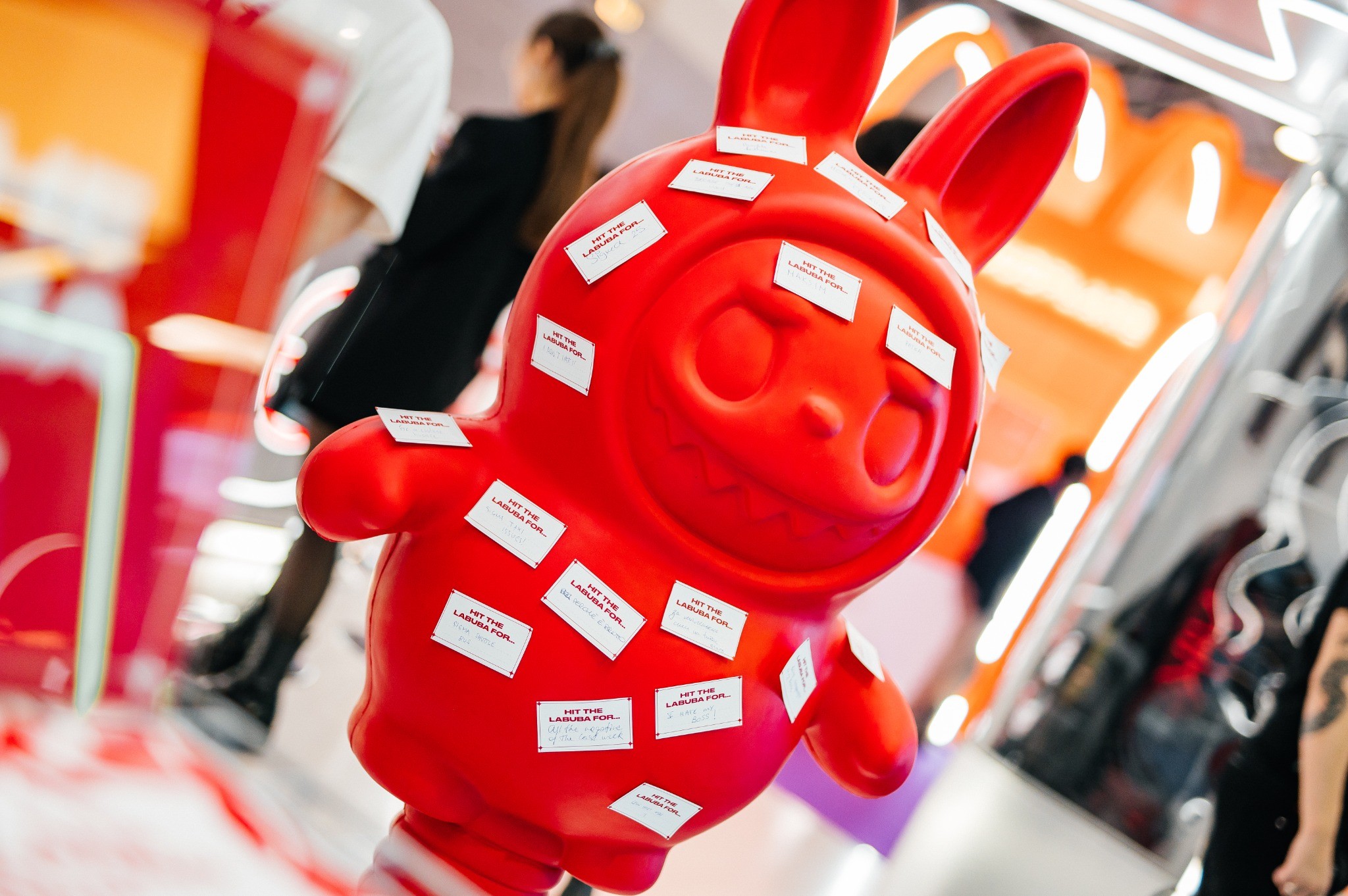
We do read the mood of the country — in Dubai, for example, we wanted everything refined and tasteful, to match the city. But sometimes we’re happy to take a risk without a clear idea of how it’ll turn out, because we love to experiment. At Sigma Rome 2025 we brought in a giant rubber punching bag shaped like a Labubu — guests could write down the things that annoy them, stick them on it, and let it all out. People eyed it cautiously at first, but very quickly it became the heart of the whole stand. Some felt sorry for it, some showed no mercy at all — but the point is, it got a reaction. We were thrilled.
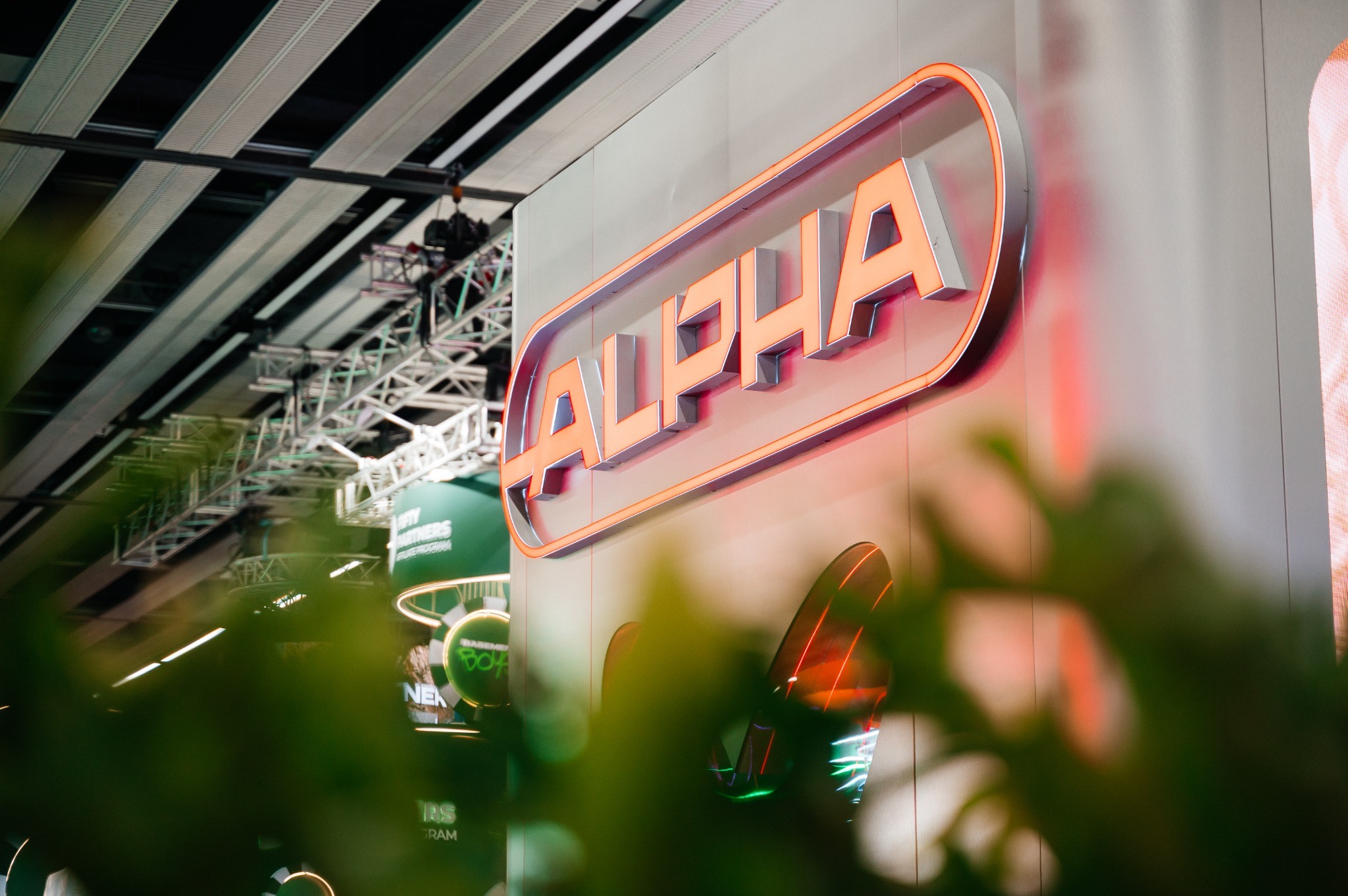
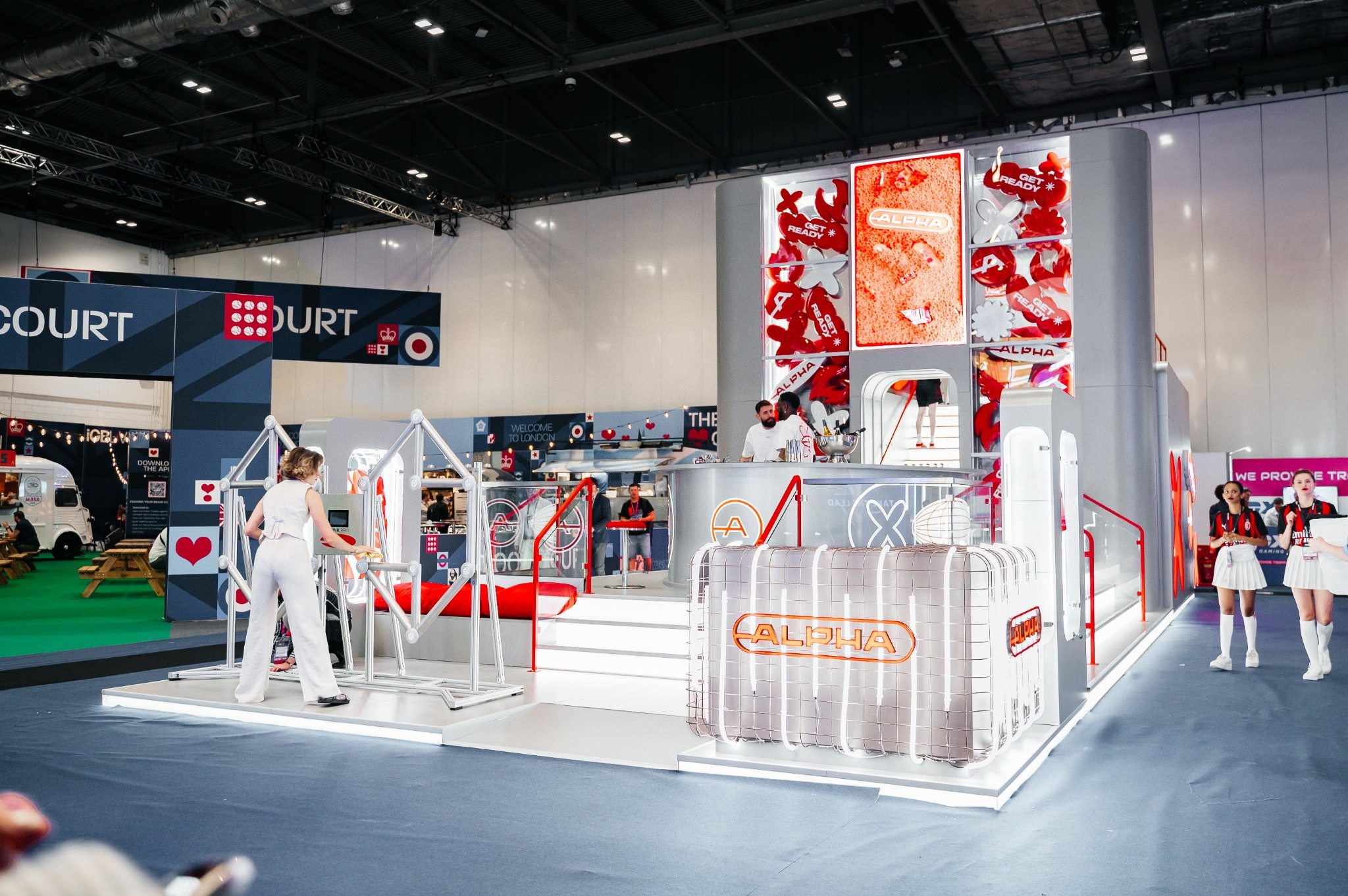
That’s the real marker of a living stand: emotion. Any emotion, to start with. What we’re after is that reaction when someone sees us — “God, what is that? …oh, it’s Alpha.” We’re not interested in provocation for its own sake; we build it brick by brick. Big screens with content you can’t look away from. Mannequins in our merch suspended from the ceiling. A punching bag. People notice us, they stay, they grab a drink at our bar — which is always generous and genuinely good (and personally signed off by our CMO every single time) — and they end up inside a kind of Alpha community, where you can talk business and life alike. What’s next? You’ll see soon enough.
Activations are on almost every stand now. How do you choose what goes on yours, and what made the latest one a new level?
Honestly, I start by watching what’s happening on competitors’ stands. These days almost every stand has some activation, because it’s a way to hand out merch that leaves people with a memory. We try to find activations that involve physically interacting with the stand. Our latest rhythm game took off because it has different scenarios — you can play solo or go head-to-head with someone, and there are difficulty levels that let you compete for different tiers of prizes.
Your merch is something partners actually come back for — people wear it in real life. How does it become part of the brand rather than just swag?
Alpha has already built a reputation as a trendsetter at conferences — our stands are a talking point, and people want to drop by just to see what we’ve come up with this time. Merch is a natural extension of that. Partners come back for it because they know we’ll surprise them with something. Thanks to our brilliant design team, we always make effortlessly cool and comfy pieces you’d actually want to wear in everyday life — and that’s probably the best proof that it isn’t just a gift, but a part of the brand that’s already woven into the lives of our guests and partners.
“The Room That Never Existed” became the must-attend night of Sigma Eurasia. Where did the concept start?
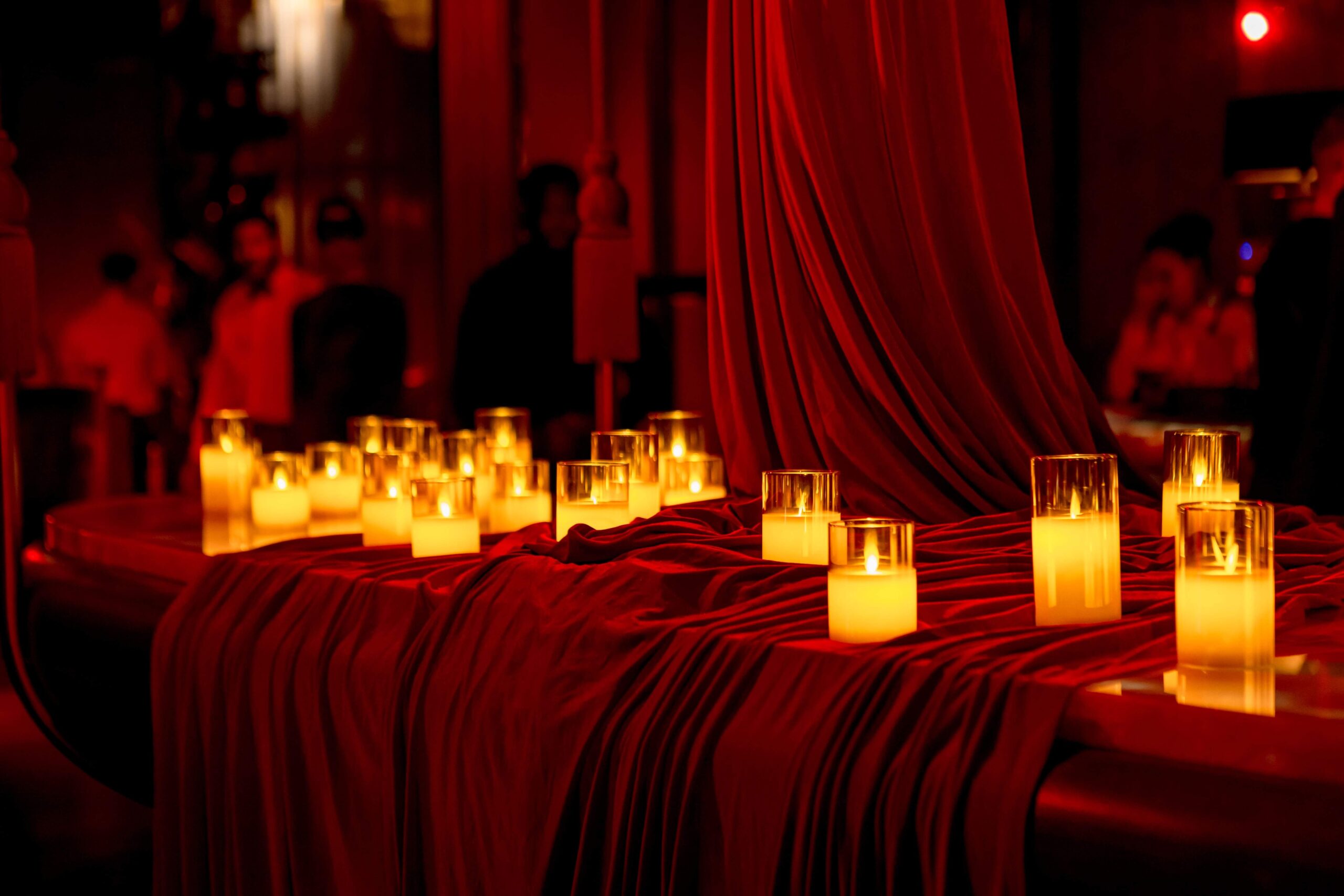
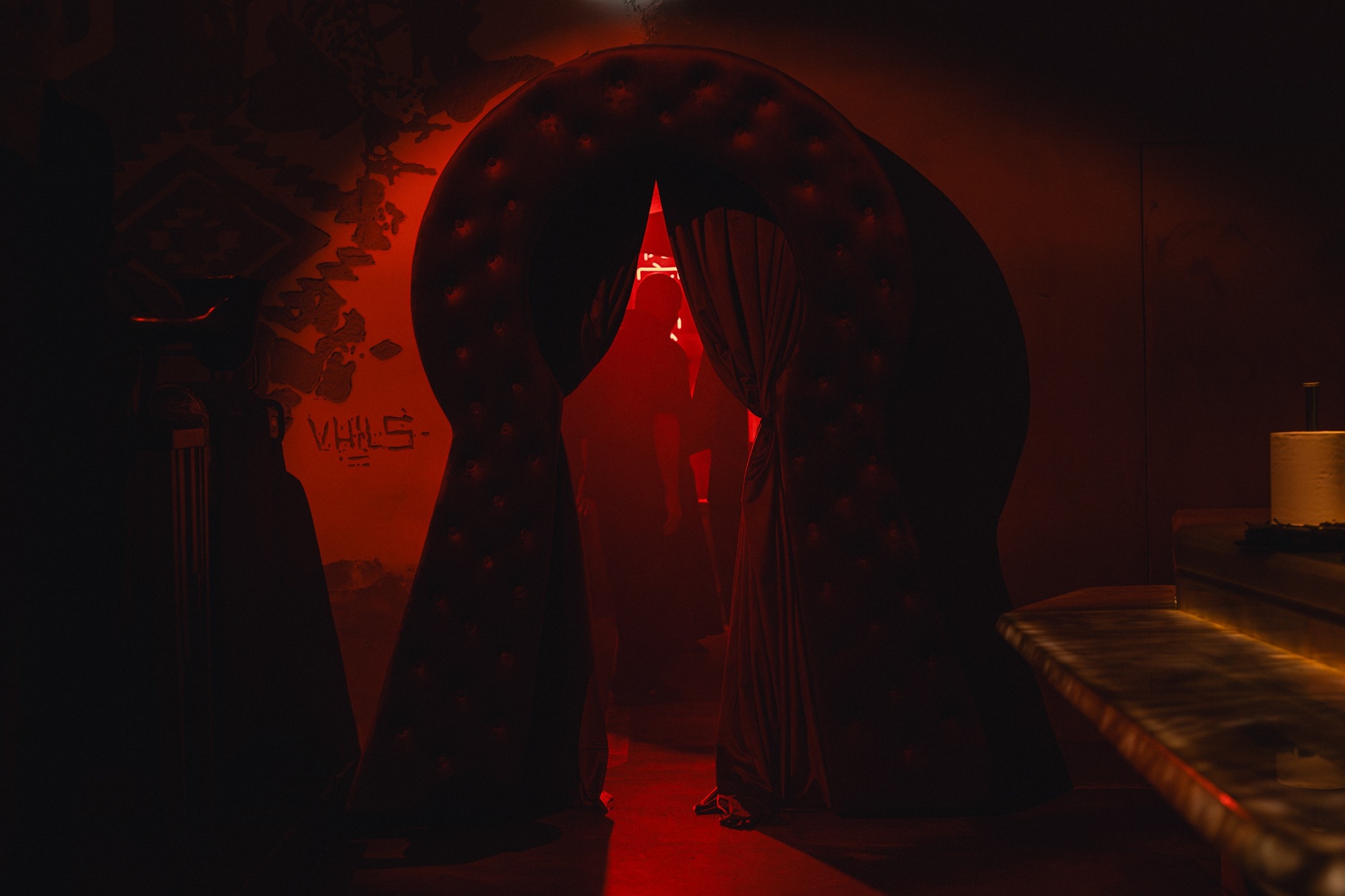
It all started with the film Eyes Wide Shut. It fit the original idea perfectly — the aesthetic, the visual style, the whole atmosphere. We started developing it, but it quickly became clear that aesthetics alone wouldn’t be enough — you have to immerse people in a unique experience. We wanted something far bigger than a room with a DJ and a free bar. Of course a great event needs good music and good drinks, but that alone doesn’t make it special. The industry is oversaturated right now, and a merely good party isn’t enough to leave a real impression. We wanted guests to remember it and tell everyone how incredible it was — because it wasn’t just a party, it was an experience you had to live. That shaped both the flow of the night and the layout of the space from the very start. We told the full story of that night on our blog, if you want to step inside it.
The mask-based access levels and timed gates were a bold structural bet. What was the thinking behind making guests wait for zones to open?
It was all about holding the guests’ attention. The multi-level structure was meant to build suspense: guests aren’t confined to one space and can’t see everything at once, so they have to wait as new zones open up. There’s always a risk someone leaves early, of course, but to minimise it the event needs tight timing. We made sure there were always activities happening, with no gaps in the programme.
The Room That Never Existed went on to be named Event of the Year at the G Gate Awards 2026. What did that win actually mean to you and the team?
For me and the whole team it was hugely meaningful. It was the first time we’d brought our project onto the international stage, and our first time competing for such a prestigious award. We dreamed of winning and believed in the project, but we knew we were up against real giants of the industry, so it was a serious challenge for everyone. When they announced the winner, honestly, we were in shock — though somewhere inside there was a feeling that our event really did deserve it. We’d seen the guests’ reactions during the night, we got an enormous amount of warm feedback afterwards, and we heard it from partners too. All of that told us we’d created something people genuinely remembered. For me personally, the award was proof that my ideas work — that they resonate and stay with the audience. It’s a huge motivation to keep going and keep finding new ways to surprise.
Alpha is evolving from an affiliate program into a lifestyle brand. How does a single stand carry all that — and how do you keep that identity recognisable from one event to the next?
For us a stand isn’t just exhibition space — it’s your first taste of what Alpha really is. So we think in emotions, not square metres: every detail works to show that Alpha isn’t just an affiliate company but a community with its own style and culture. When someone leaves thinking “I want to be part of this,” we know we did it right.
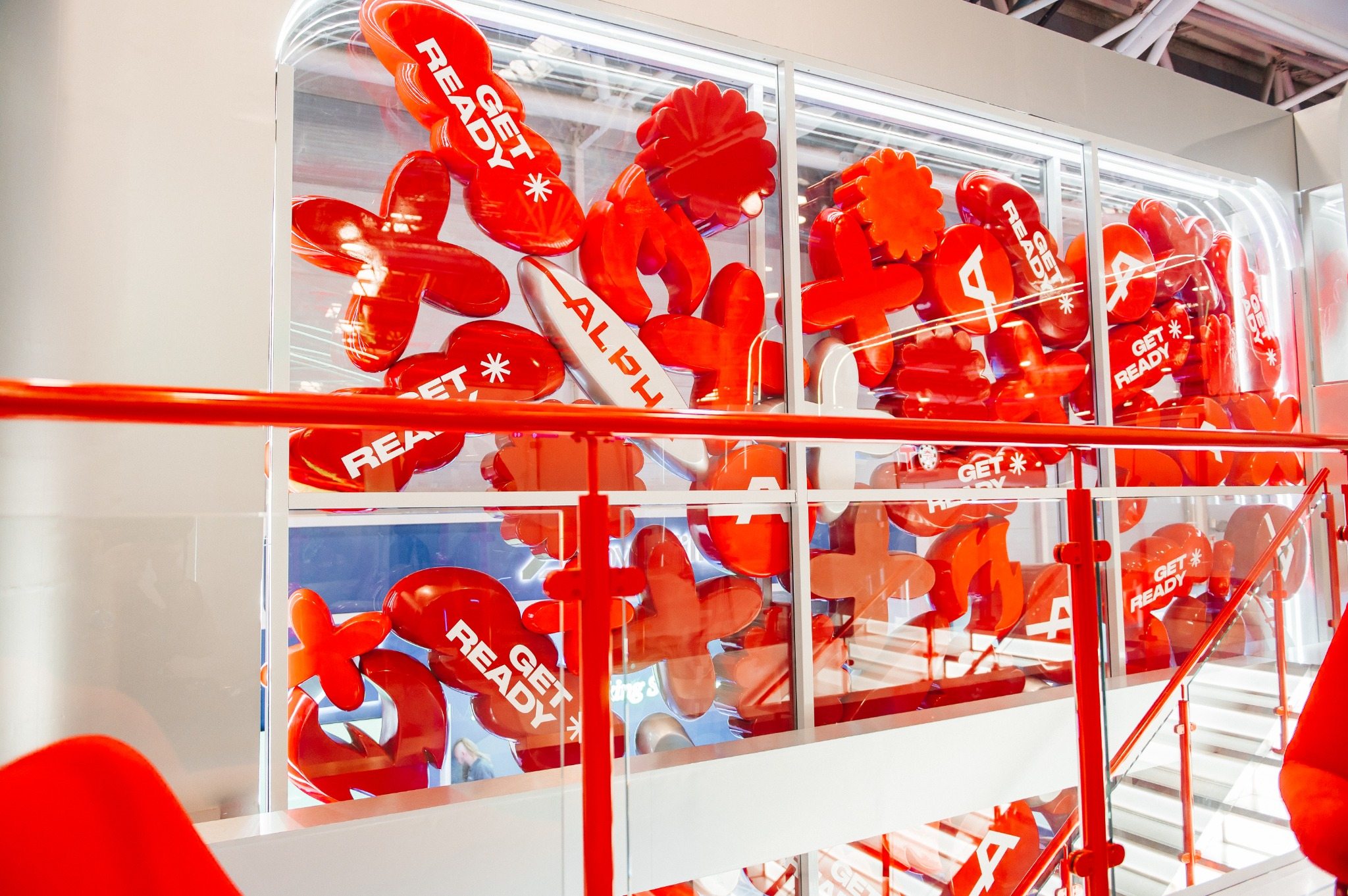
Keeping that consistent is a craft in itself. With our Head of Design, we take an element that worked especially well last time and rethink it for a new concept — never just repeating it, and never building the whole stand around one wow-effect. That’s how Alpha’s visual language builds up: you can see a new stand in another country and still feel instantly that it’s Alpha. That continuity is what turns separate activations into a whole world.
A big season ahead — stands in Mexico, Rome, Barcelona. How do you adapt the same Alpha DNA to three very different cities and crowds?
The visual language always stays the same. We change configurations and add new touches, but the whole idea is that you should recognise an Alpha stand from across the hall — by the colours, by the materials. That identity is what we bet on; what changes from event to event is really just us trying to be even better than last time.
LatAm is a special case: we’re heading there for the first time, so of course we want that stand and that experience to feel distinct from Europe. I don’t want to give the details away yet — let’s see how it all comes together.
Is there ever an “ideal” event, or is chasing it the whole point?
The ideal event exists only up until load-in begins — after that, something always goes off-plan. But for me quality isn’t the absence of problems; it’s how well the team handles them, and how well they hide them from the guest. If someone walks in and sees a whole, coherent picture, we did our job well — even if behind the scenes we rebuilt half of it. There’s always a feeling it could have been better, and I used to see that as a flaw. Now I know it’s exactly what moves us forward: the bar rises with every event, so the point isn’t to reach “perfect” — it’s to leave each one knowing what new level just became possible.
Every event is a new level. What are you quietly aiming at next?
We’ve loved throwing these parties — and going by the response, we’re not bad at it. We’ve got no shortage of ideas — but the fun scales with the business, so for now we’re focused on driving the company forward, and letting its success eventually give us the room to go all out and make Alpha the undisputed kings of parties.